

The Artist
About the Founder

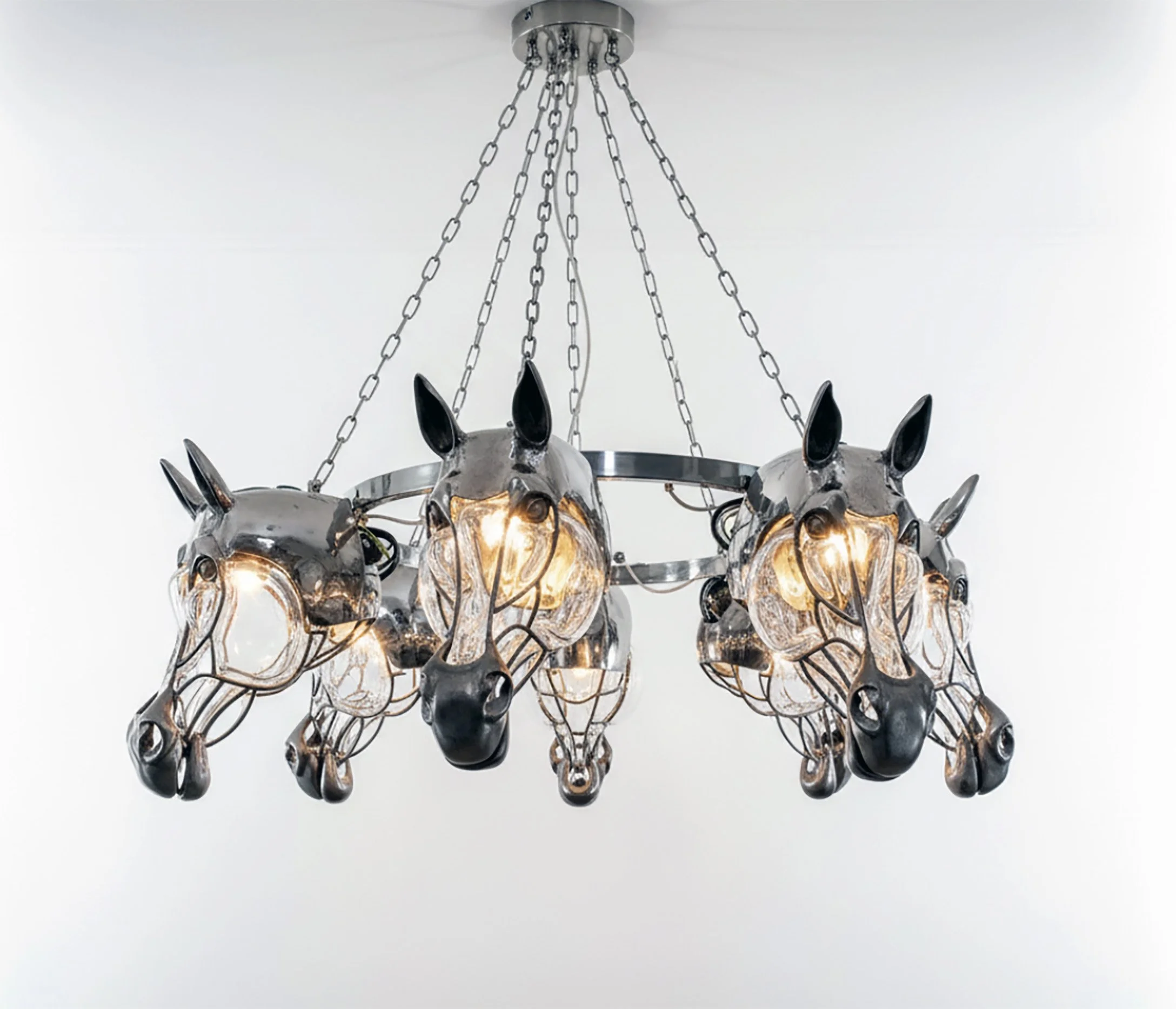
Founded in 2020 by prolific artist Peggy Silverstein, Lighthorse Design was set-up as a business venture combining welding, 3D technology with an ancient lost wax process to produce a line of cast bronze and stainless steel horse head wall sconces for market, chandeliers, pendants, lamps.
Peggy was an avid horse rider for twenty years; she stabled horses, mucked stalls, and became very familiar with the anatomy of these majestic animals in the process. She exhibited her art in painting, collage, and sculpture on Nantucket for two decades, including a solo exhibition entitled “The Horse,” showing her equine sculptures in copper, cement, and other materials. She started metal work by imagining a large copper horse with plumbing pipes, real horse hair for the mane and tail, and glass eyes. A trip to a plumbing outlet proved that the concept was applicable and with the aid of a torch soldered pipes together. When she moved to New York City in 2016, it was natural to continue her exploration of metal sculpture. The horse became an object to focus on while developing her welding skills; it was easy to walk around the block from the Art Students League to observe the carriage horses in Central Park for reference.
Peggy Silverstein is a third generation artist. Her grandmother, Rose, graduated from Cooper Union in 1915 and got a degree in Engineering during World War II.
Peggy’s multifaceted journey through the realms of art and therapy exemplifies a profound commitment to creativity and personal growth.
With a foundation in fine art from Syracuse University, she furthered her education by obtaining a BA from Hofstra University and an MA in Art Therapy from Pratt Institute. Fifteen were spent in graduate stone carving at Columbia Universitey. Her extensive training was complemented by K–12 teaching certifications across New York and New Jersey.
This educational background, paired with her experience raising three children, enriched her understanding of behavioral patterns and family dynamics, which she later integrated into her practice as an art therapist for over two decades.
Silverstein's artistic development is marked by rigorous training in sculpture at prestigious institutions such as Columbia University and the Educational Alliance.
Under the tutelage of notable artists like Minoru Nizuma (Columbia) and Chaim Gross, she honed her skills in pneumatic stone carving and figurative work. This dedication culminated in the creation of a bronze bust commemorating Gross's contributions to art education.
Her move to Nantucket in 1992 allowed her to exhibit diverse works including sculpture, painting, collage, and photography before returning to New York City for further artistic exploration at the Art Students League.
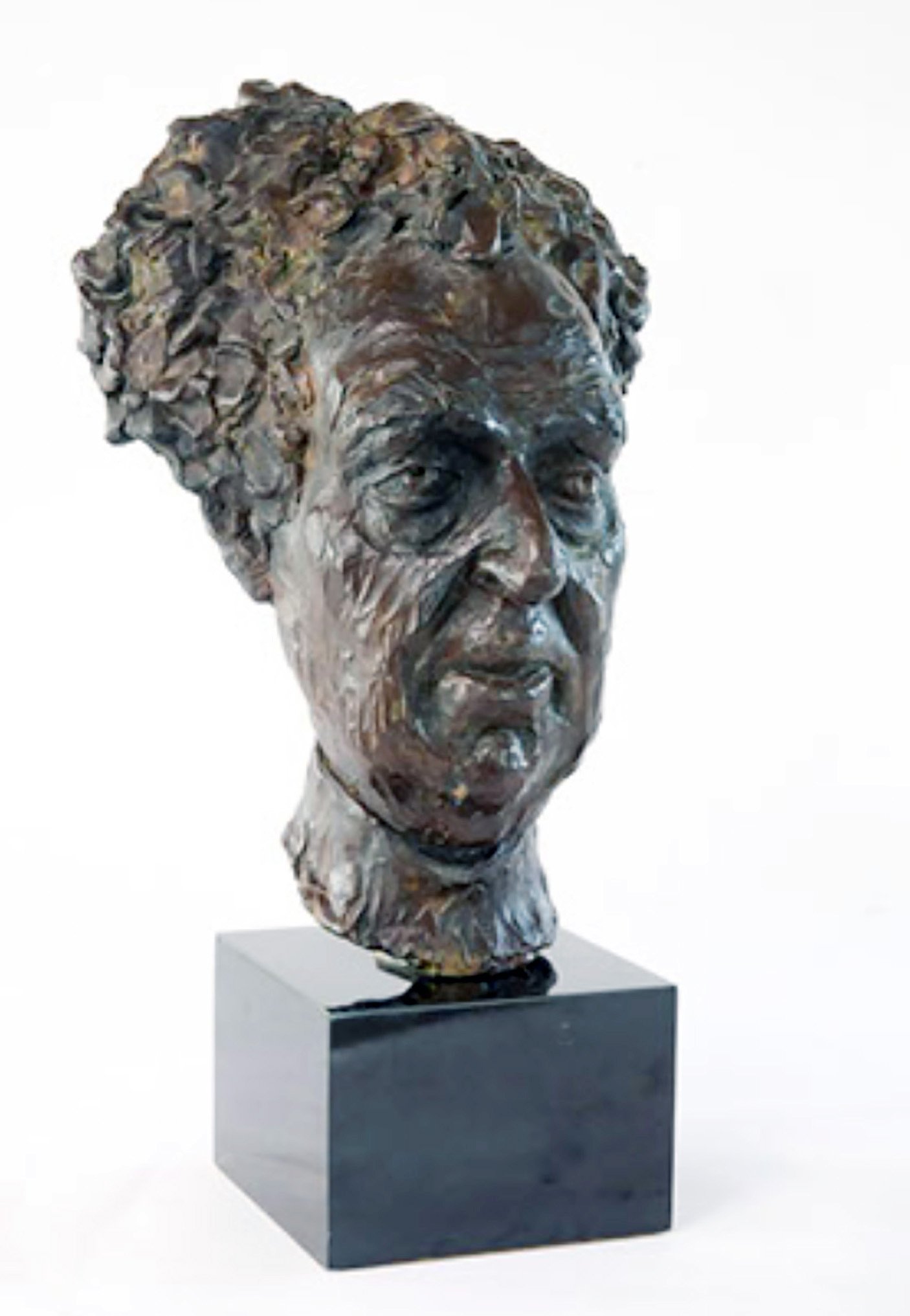
Chaim Gross
14”H, bronze
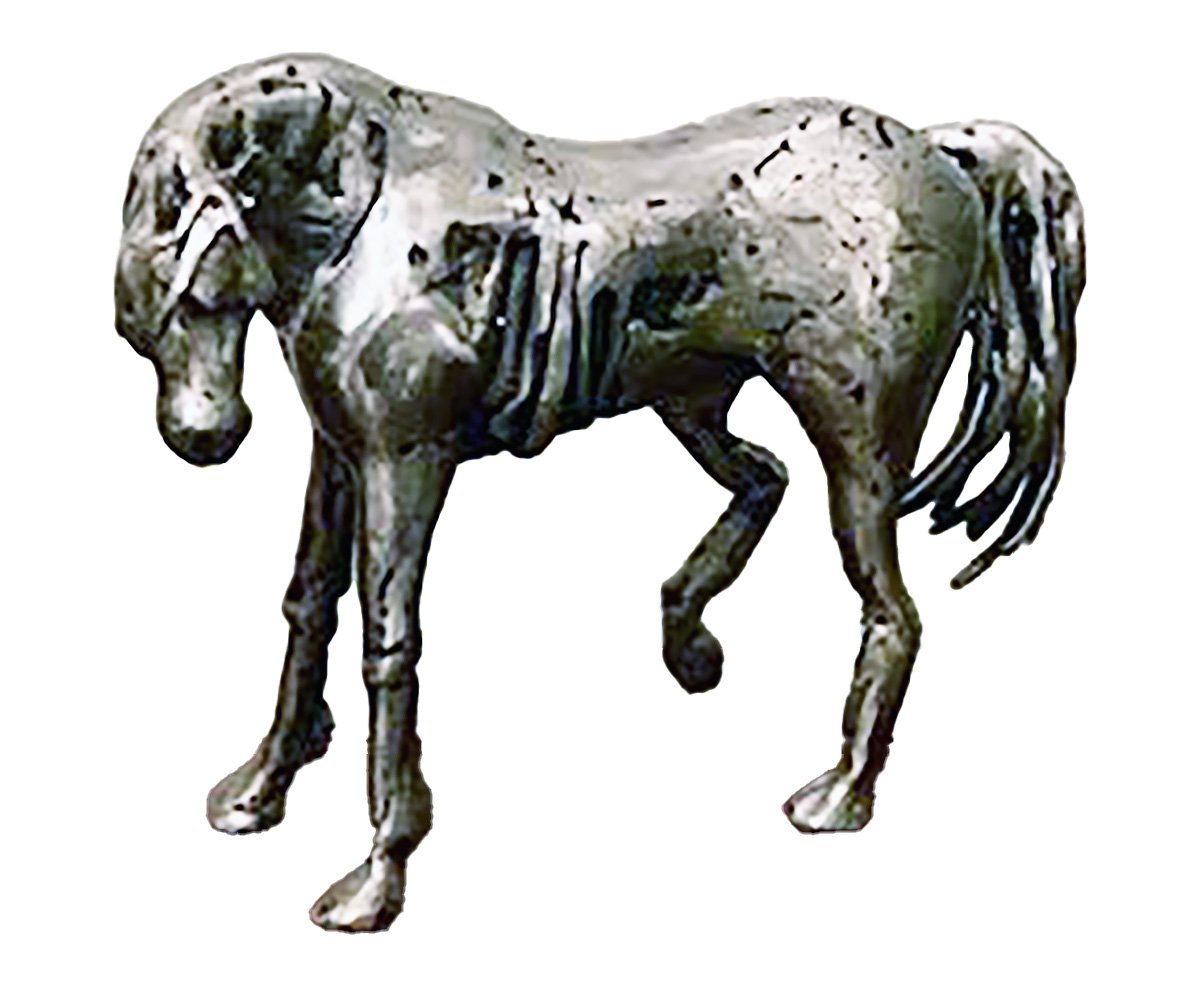
Pegasus
12”Hx9”L, steel masonry nails
Pegasus
5’L x 3’H, copper pipes, horse hair, glass
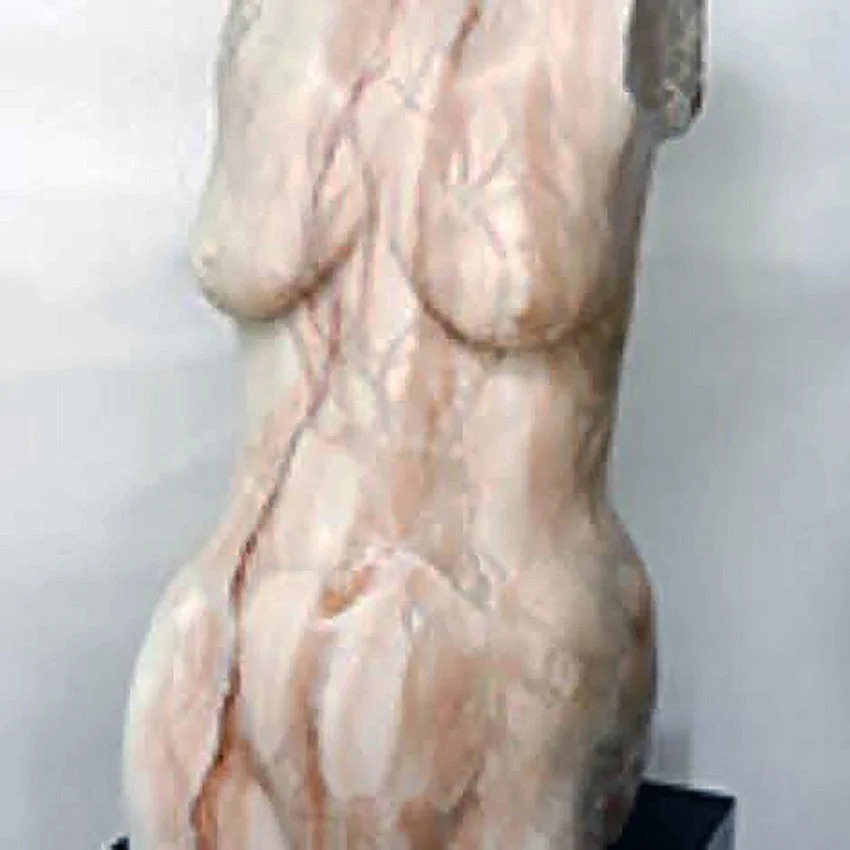
Alabaster torso 13’W X 13’D X 24’H
Throughout her eighteen years at the Metropolitan Museum of Art, Silverstein not only taught but also learned extensively about various artistic eras (Re-Imagineers: Peggy Silverstein, 2024). This immersion deepened her appreciation for historical context within modern art practices. She has showcased her dynamic work for over fifty years across numerous exhibitions. Silverstein’s ongoing engagement with welding techniques reflects a continuous evolution in her artistry while reinforcing her belief in creativity as a transformative force (Re-Imagineers: Peggy Silverstein, 2024).
Peggy is a member of the New York Society of Women Artists and was a member of the Artists Association of Nantucket for 30 years. She has exhibited paintings, sculpture, and collage for over fifty years in both solo and group shows, and continues to create dynamic work that reflects decades of dedication to art, teaching, and the belief in creativity as a powerful force for growth.
Visit peggysilverstein.com to see view more of Peggy Silverstein’s artwork

Our Journey.
Every Lighthorse Design piece starts the same way. Raw material, a welding studio, and a clear vision of what it could become.
From that first weld, each sculpture moves through 3D scanning, resin printing, and finally lost wax casting in bronze or stainless steel.
It's a process that borrows from the ancient and the modern in equal measure, because great craft has always done both.
“What you receive at the end of it is something that has never existed before and never will again.”

This is not manufacuring.
Just real artists.
Real craft.
Lighthorse Design exists for the people who understand that the things worth having are the things worth waiting for. Commission something extraordinary.
Sculpture Portfolio

Copper plumbing parts were used to create this horse with glass eyes, roof flashing, horse hair at Lighthorse Design as a maquette for a large outdoor fountain.
At Lighthorse Design we use a variety of steel materials to express our love of the horse. In this case we used masonry nails and a mig welder to create this maquette that can be cast at any size with 3D technology.


Lighthorse Design created moquettes made of concrete. Copper armature was constructed and concrete with a latex additive was applied to facilitate shaping, carving and sanding.
Life size concrete sculpture using these models will be cast in concrete to prevent cracking. The forms can be made using 3D printing and mold making.